AI clinical documentation that keeps the clinician in control
Design patterns for ambient notes and documentation assistants that save time without hiding uncertainty or weakening sign-off.
Search for AI clinical documentation software and you will find plenty of feature lists. The harder question is how the system should behave when data is late, a rule changes, or a real person needs to take over. This guide is written for clinical informatics and digital health leaders.
The problem behind the feature request
Generated notes can look fluent while omitting nuance, inventing details, or pushing review burden to a clinician at the worst moment.
The tempting response is to add another screen or automate the visible step. That usually moves the bottleneck rather than removing it. A durable solution starts with the decision, the source of truth, the accountable owner, and the failure path, not with a list of technologies.
A practical approach
We reduce the work to three moves that can be tested in production and understood by the team that will run it:
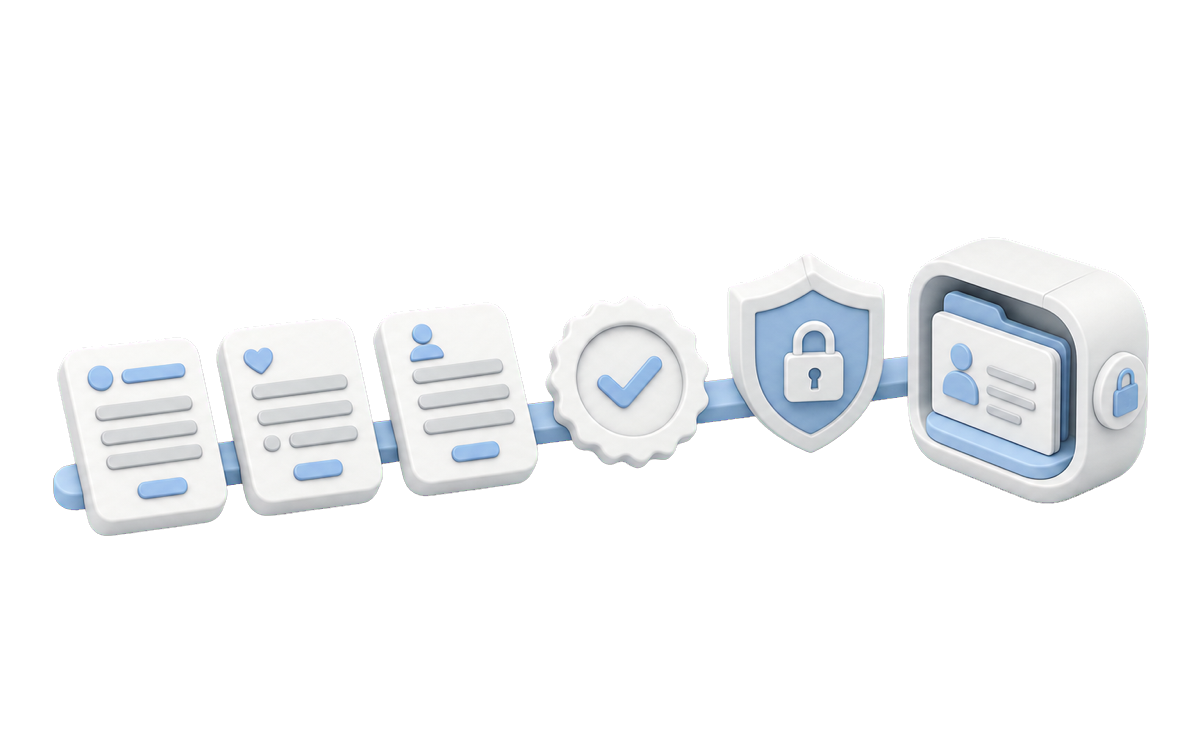
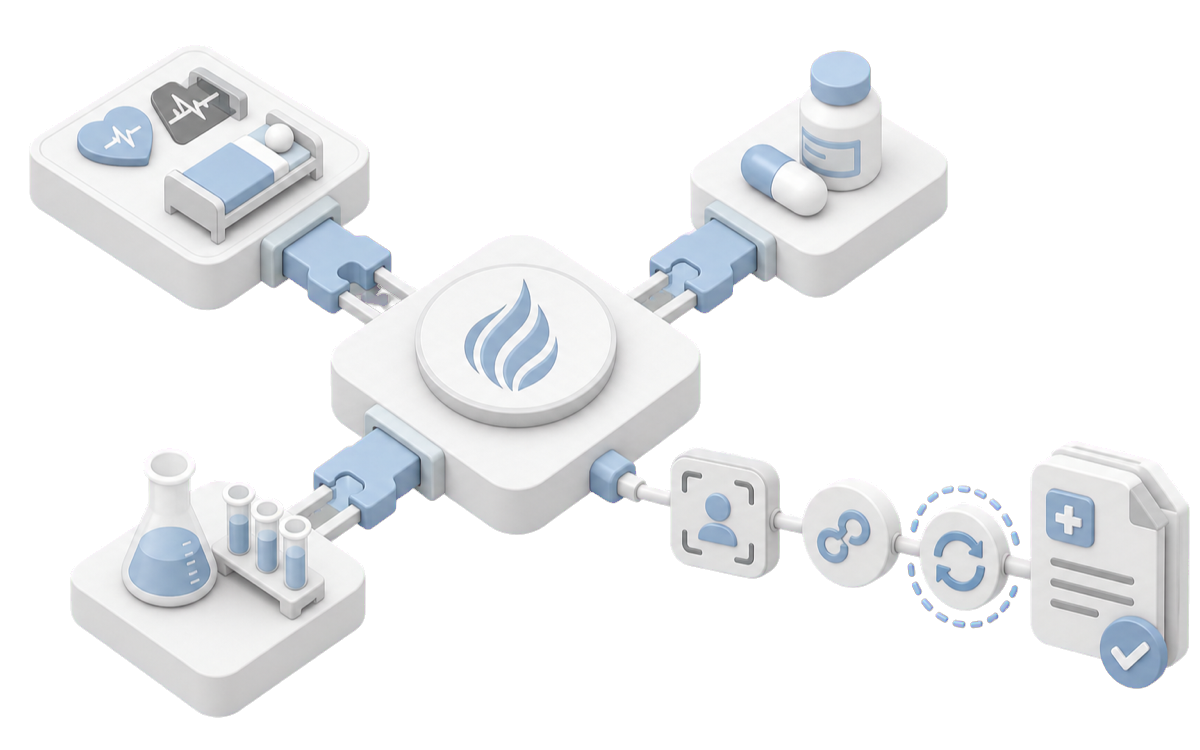
1. Ground drafts in attributable encounter evidence
Start here before selecting tools or estimating a full roadmap. For clinical informatics and digital health leaders, this establishes the operating boundary and the evidence the team will use to make tradeoffs.
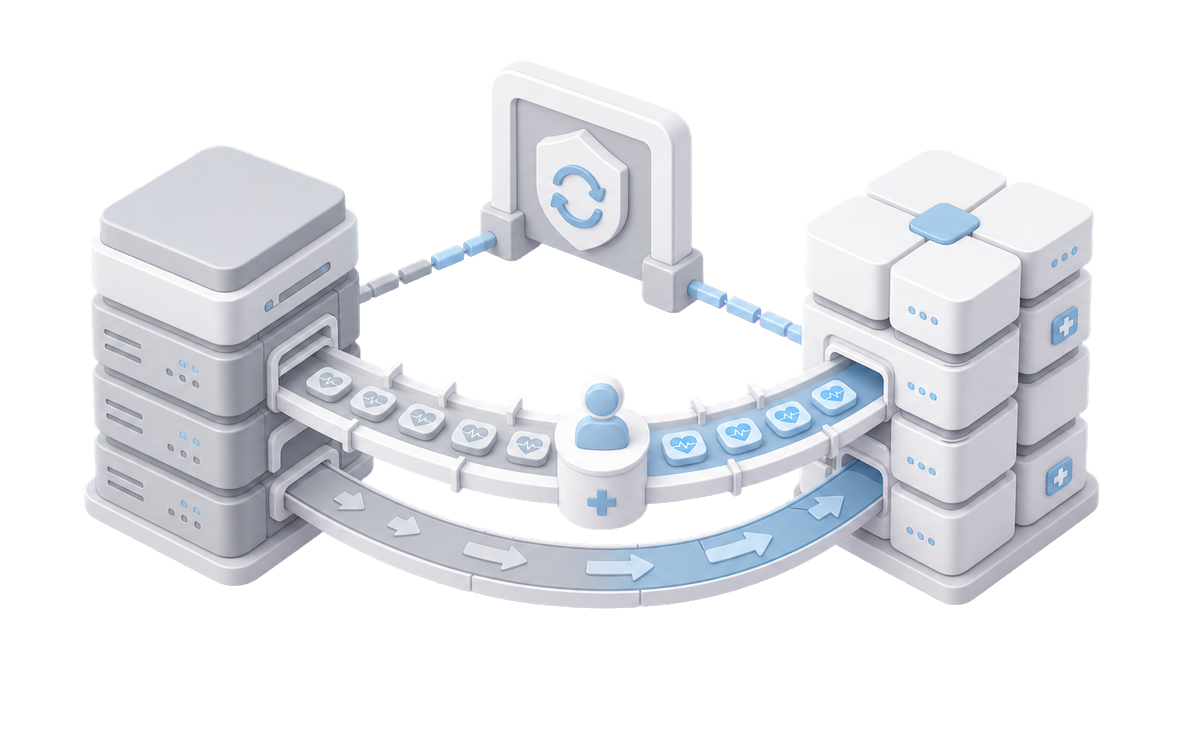
2. Surface uncertainty and changed facts instead of hiding them
Turn this into a production workflow with explicit owners, observable failure states, and a small release that tests the hardest assumption early.
3. Measure correction time and clinical completeness, not output volume
Make the result repeatable: instrument it, document the decision path, and review exceptions with the people who will own the system after launch.
Each move should have a measurable acceptance condition. If the team cannot observe whether the workflow is faster, safer, or more accurate, the release is not yet designed well enough to learn from.
What good looks like
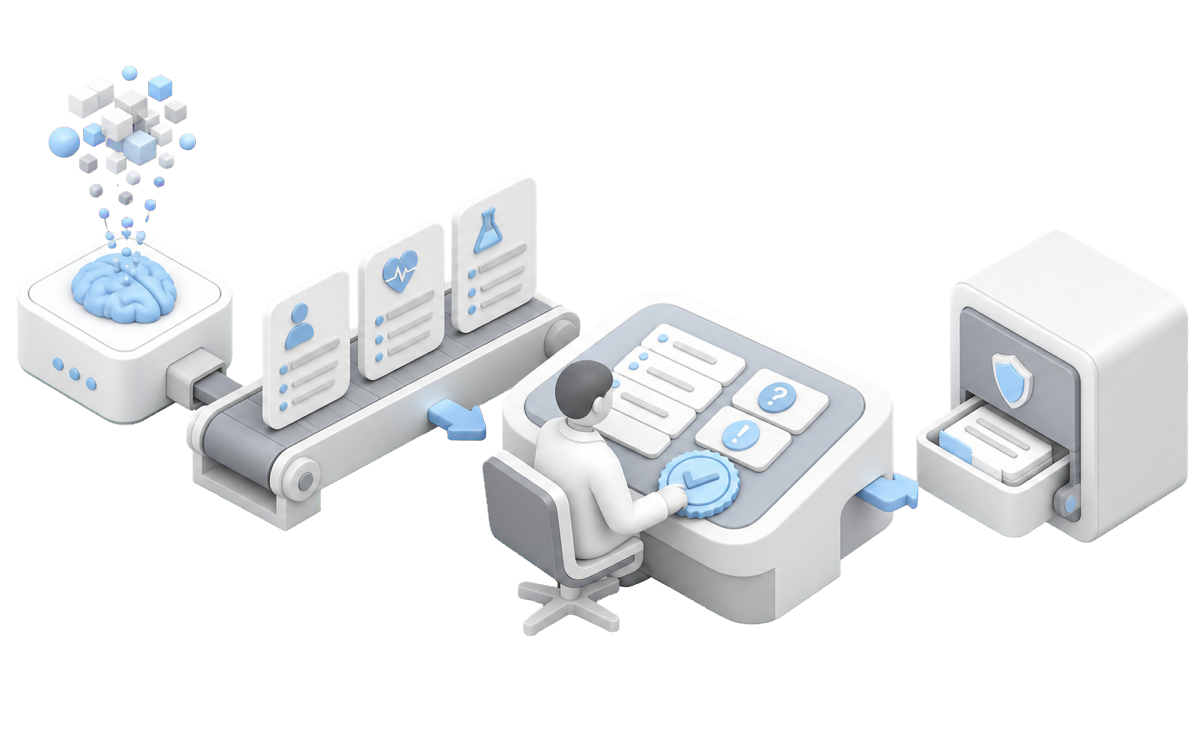
Documentation becomes a reviewable draft that returns time to care while preserving clinician accountability.
That outcome is more valuable than a polished demo because it survives normal operational pressure. It gives product, engineering, and operations one shared definition of success, and a clear place to improve next.
Build the smallest production path that proves the hardest assumption.
If this is the problem your team is working through, Vettel Tech can frame the first production slice, identify the operational constraints, and build it alongside the people who will own it.